
#We save teeth that seem lost
Endodontics at the Microscope - Sector 6, Bucharest
Precision root canal treatments that save your natural tooth
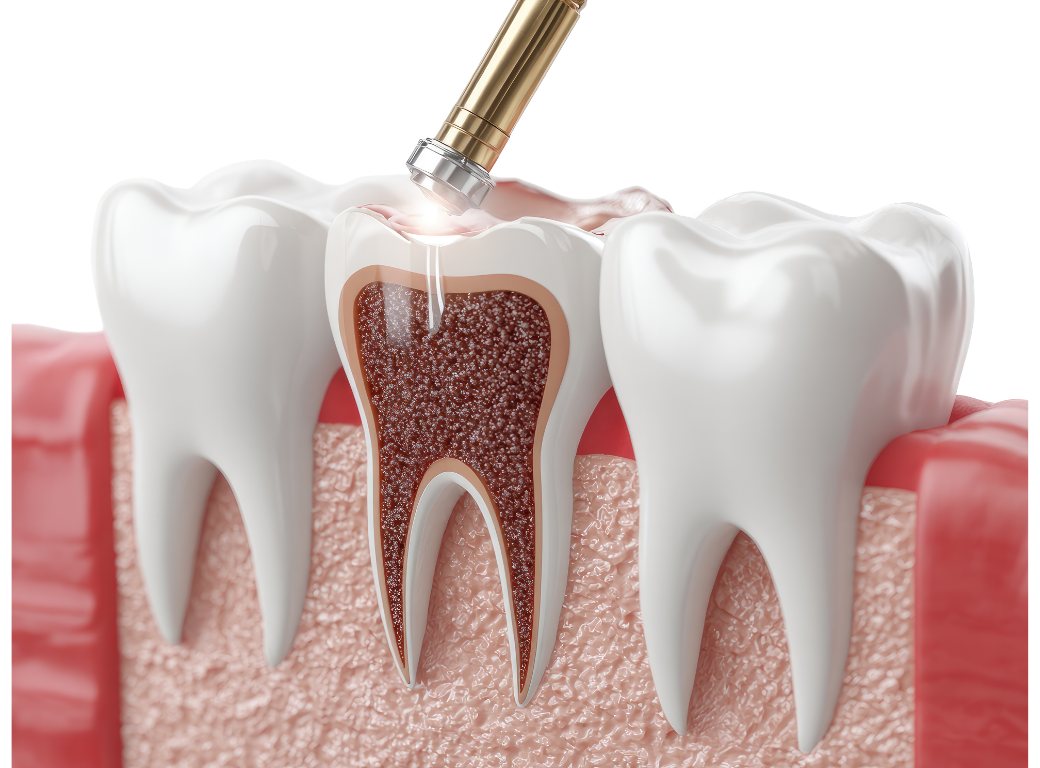
Endodontics under a microscope is the most advanced method of treating deep tooth infections. At Dental Science, in the Lujer area, sector 6, Bucharest, we do root canal treatments and retreatments under the microscope Zumax, with endomotor VDW GOLD, to save teeth that would otherwise be lost. Our philosophy is simple: extraction, only when there is no other option.
Dr. Maria Ionilă, Endodontics specialist doctor, coordinates endodontic treatments at Dental Science. Specialized exclusively in endodontic treatments and retreatments under the microscope, Dr. Ionilă is also an associate professor at the endodontics department of the Titu Maiorescu University of Bucharest. Each treatment focuses on effective pain management and maximum preservation of healthy tooth structure.
What to expect from microscopic root canal treatment?

Root canal treatments performed entirely under the microscope Zumax
Precision instrumentation with VDW GOLD endomotor
Effective pain management for a comfortable treatment from start to finish
Significantly higher success rates compared to classic treatment without a microscope
#what is it
What is microscope endodontics and why does accuracy matter?
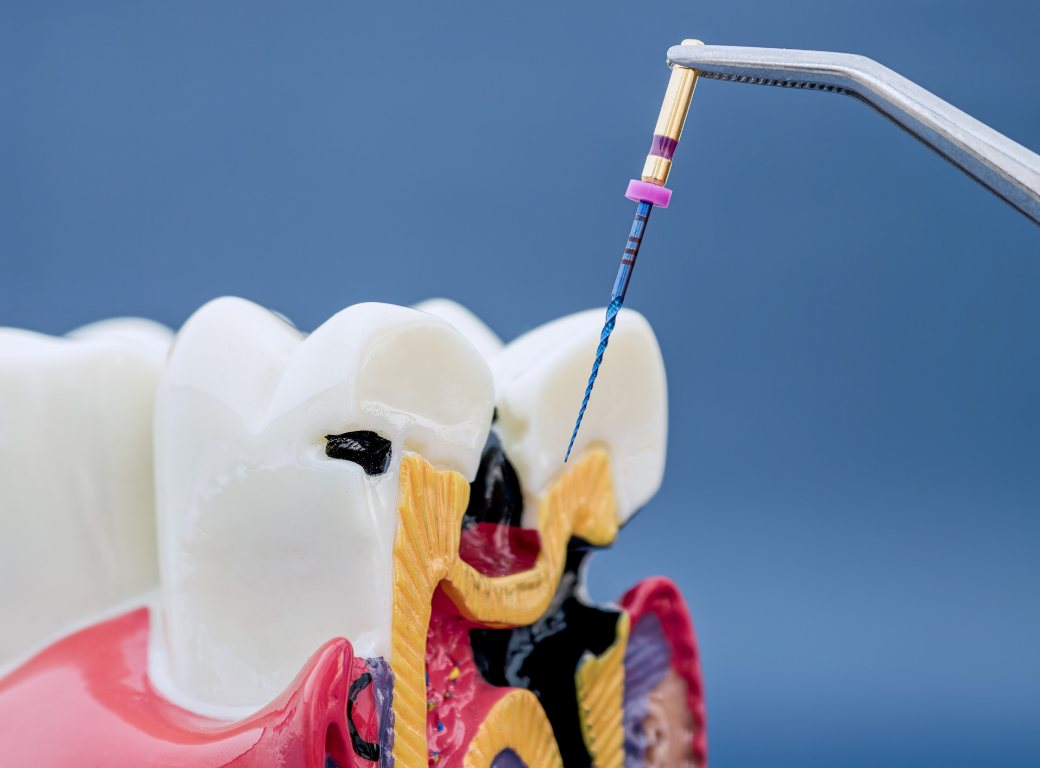
Root canal treatment (endodontic treatment) becomes necessary when dental pulp, the living tissue inside the tooth, becomes irreversibly infected or inflamed, usually due to deep decay, fracture or trauma. Treatment involves removing the affected tissue, cleaning and disinfecting the root canals, then sealing them tightly so that the tooth can be kept functionally on the arch.
The real challenge of endodontics is anatomy: root canals are fine, curved and often branched structures, with diameters smaller than one millimeter. A tooth may have additional, hidden canals that the naked eye simply cannot see. An untreated root canal means remaining infection, and remaining infection means treatment failure and, frequently, tooth loss.
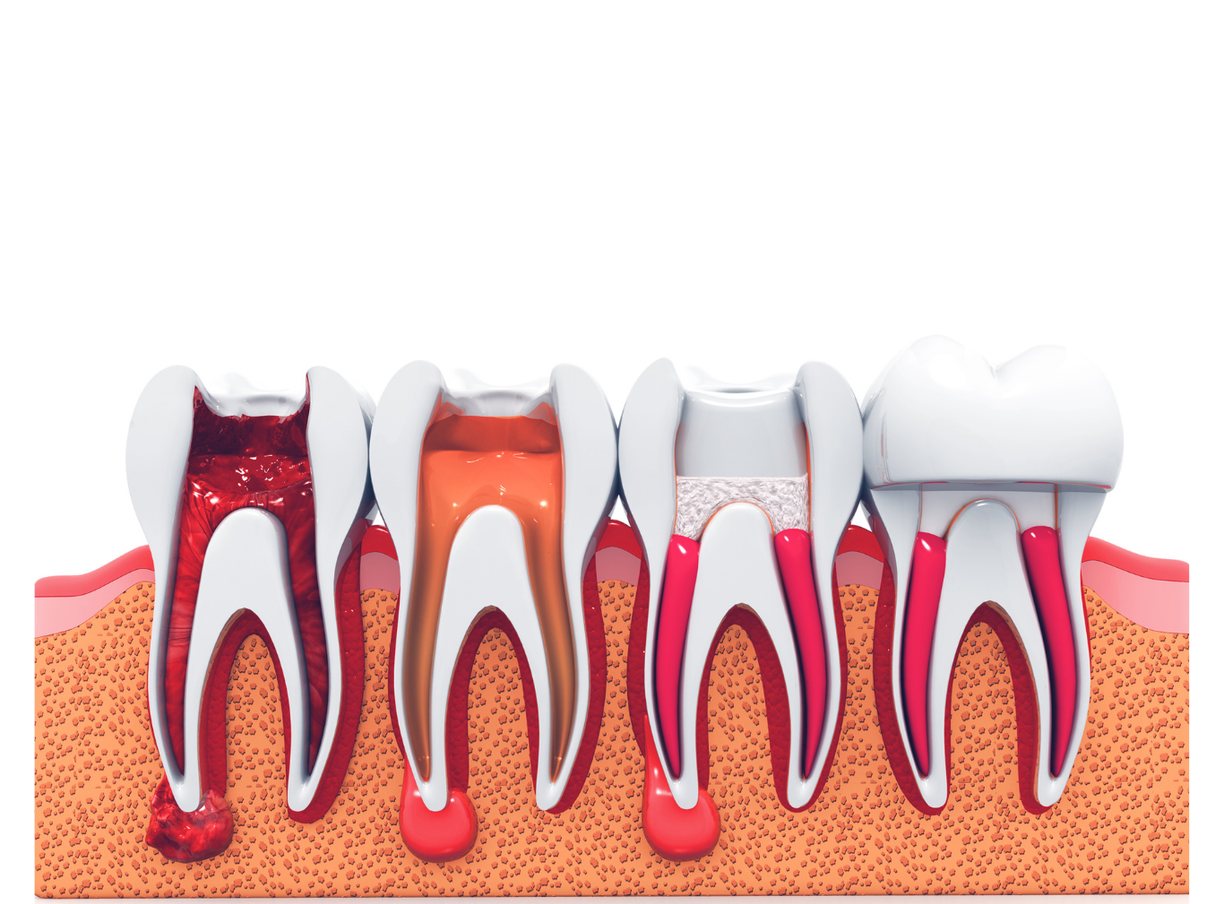
Left untreated, pulp infection does not stop at the tooth. The bacteria advance through the tip of the root into the surrounding bone, where they form periapical lesions and abscesses, with the progressive destruction of the bone. What starts as an ignored tenderness can turn into an emergency with severe pain, swelling, and ultimately, extraction. Endodontic treatment performed on time it stops this chain and keeps the tooth functional on the arch.
This is where it comes in microscope: enlarges the operating field up to 20 times and illuminates it directly, allowing the doctor to see exactly what they are dealing with. Additional canals are identified and treated, infected tissue is completely removed, and healthy tooth structure is preserved as much as possible. Completed by endomotor VDW GOLD, which tools the channels with electronically controlled speed and pressure, the result is a precise, safe and predictable treatment.
Microscope treatment or classic treatment? The comparison in brief
Endodontics under the microscope: up to 20x increased visibility, identification of additional hidden canals, complete removal of infected tissue, maximum tooth preservation, over 90% success rates reported in clinical trials.
Classical treatment (without microscope): rely on the doctor's sense of touch and experience, accessory canals may remain unidentified and untreated, with a greater risk of reinfection and failure, being the frequent cause of retreatments and tooth loss.
In short: the microscope turns root canal treatment from a blind procedure to a sight procedure. The difference is directly measured in your tooth's chances of being saved in the long run.


How is root canal treatment performed at Dental Science?
Endodontic treatment at Dental Science follows a modern protocol, performed entirely under a microscope. Here are the stages each patient goes through:
1. Consultation and diagnosis
It all starts with the clinical examination and X-ray analysis at our clinic in the Lujer area, sector 6, Bucharest. Dr. Maria Ionilă establishes the exact diagnosis, explains the situation of the tooth and the treatment options, and the decision is made together. You receive a clear estimate of the number of sessions and costs from the start.
2. Anesthesia and isolation of the tooth
The treatment is performed under local anesthesia, with an emphasis on effective pain management. The tooth is isolated with the dental dam, a protective film that keeps the operative field clean and dry, prevents saliva contamination and protects the rest of the oral cavity. It is a mandatory standard of modern endodontics, which we follow in every treatment, without exception.
3. Cleaning and disinfecting canals under a microscope
Under the Zumax microscope, Dr. Maria Ionilă accesses the pulp chamber, identifies all root canals, including additional ones, and completely removes the infected tissue. The VDW GOLD endomotor instruments the canals with electronically controlled precision, and copious irrigation with disinfectant solutions removes bacteria from the entire canal system.
4. Clogging of channels
Cleaned and dried canals are hermetically sealed, three-dimensionally, to prevent any re-infection. The quality of the seal is checked radiologically, and visual control under a microscope ensures that there are no empty spaces left where bacteria could grow.
5. Restoration of the tooth
An endodontically treated tooth becomes more fragile and needs to be protected. Depending on how much of the tooth structure has been lost, the final restoration can be a physiognomic filling or a crown. Our interdisciplinary team performs the restoration in the same clinic, without sending you elsewhere.
6. Monitoring
Complete healing of the bone around the root is radiologically confirmed at regular check-ups. At Dental Science, we follow the progress of each treated tooth to ensure that the result is maintained in the long term.
Most root canal treatments under the microscope are completed in 1 to 2 sessions, depending on the complexity of the case and the severity of the infection. A session usually lasts between 60 and 90 minutes. Retreatments may require additional sessions, transparently communicated from the start.
#for whom
Who is recommended endodontic treatment under the microscope?
Root canal treatment under a microscope is indicated whenever the infection or inflammation has reached the dental pulp, as well as in cases where a previous endodontic treatment has failed. Dr. Maria Ionilă evaluates each case based on clinical examination and X-rays or CT scans, and the decision is always made together with the patient. Here are the signs that indicate the need for an endodontic consultation:
Intense toothache, spontaneous or pulsating, which wakes you up at night or is accentuated when warm, is the classic sign of irreversible pulp inflammation. Anti-inflammatories temporarily calm the symptom but do not treat the cause. The sooner you get to the doctor, the simpler the treatment.
Prolonged sensitivity cold or hot, which persists for tens of seconds after the removal of the stimulus, indicates pulpal suffering that cannot resolve on its own.
Abscess or swelling appearing next to a tooth, sometimes accompanied by an unpleasant taste or fever, signals an infection that has spread beyond the root, into the surrounding bone. Needs quick treatment.
The tooth that has changed color. A tooth that turns gray or brown, often after an older trauma, usually indicates a devitalized pulp that needs to be treated, even if it doesn't hurt, because over time it will lead to infection of the bone around the tooth.
Deep caries, close to the nerve. When the decay has progressed in depth, preventive root canal treatment, carried out before the infection sets in, saves the tooth in much simpler conditions. X-rays determine exactly how close the decay has reached the pulp.
Previously treated teeth that are causing problems again. Pain, tenderness, or infection in a tooth with an old root canal usually indicates untreated or incompletely sealed root canals. Endodontic retreatment under the microscope by Dr. Maria Ionilă allows the correct resumption and completion of treatment, saving the tooth without extraction.
Important: A tooth that hurt and then went away on its own did not heal. Most of the time, the pulp has devitalized, and the infection continues silently deep, destroying the bone around the root. The endodontic consultation clarifies the situation through a clinical examination and an X-ray, before the infection turns a simple treatment into a complex one.
Frequently asked questions about root canal treatment under the microscope
Not. The treatment is performed under local anesthesia, and pain management is a priority of Dr. Maria Ionilă. Paradoxically, root canal treatment does not cause pain, it removes it: the pain you feel comes from the infection, and the treatment removes it. A slight sensitivity in the following days is normal and passes with usual medication. The reputation as a painful procedure belongs to the past, not modern endodontics.
Most microscope treatments are completed in 1 to 2 sessions of 60 to 90 minutes each. Complex cases and re-treatments may require additional sessions, transparently communicated from the start, along with related costs.
Root canals are less than a millimeter in diameter, and many teeth have additional canals invisible to the naked eye. The microscope enlarges the operative field up to 20 times, allowing the complete identification and treatment of the entire canal system. An untreated root canal is the main cause of failure of classic treatments.
A tooth treated correctly under the microscope and properly restored can last a lifetime. The key is the quality of the initial treatment, the tight restoration that prevents re-infection and regular check-ups. Clinical studies report survival rates of over 90% at 10 years for correctly endodontically treated teeth.
Yes. Endodontic retreatment under the microscope allows the tooth to be reopened, the old filling removed, the untreated canals identified and the treatment restored correctly. It is one of Dr. Maria Ionilă's main specialties and frequently saves teeth thought to be lost.
Not always. The decision depends on how much healthy tooth structure is left after removing the decay and affected tissue. The front teeth can often be restored only with physiologic obturation, while the molars, subject to high masticatory forces, usually need a crown for long-term protection. The recommendation is made individually, at the end of the treatment.
Keeping the natural tooth is almost always the first option: none dental implant it does not completely equal a healthy natural tooth. Extraction becomes the solution only when the tooth can no longer be saved, and at Dental Science this decision is made transparently, based on the real chances of success, openly discussed with the patient.
The cost depends on the tooth treated (number of canals), the complexity of the case and the type of treatment (initial or retreatment). Although the microscope treatment costs more than the classic one, the higher chances of success make it more economical in the long run. At Dental Science we offer transparent prices, and at the consultation you receive a detailed estimate, without any subsequent surprises.
If you have tooth pain, prolonged sensitivity or an old root canal that is causing problems, do not postpone the consultation. The earlier the infection is treated, the greater the chances of saving the tooth and the simpler and less expensive the treatment. We invite you to a endodontic consultation at Dental Science, in sector 6, Bucharest. Dr. Maria Ionilă assesses the situation of the tooth, explains the options in your understanding and proposes a clear and realistic treatment plan.
The first step to saving your tooth starts with an appointment.
#why us
Why choose Dental Science for microscopic endodontics in sector 6?
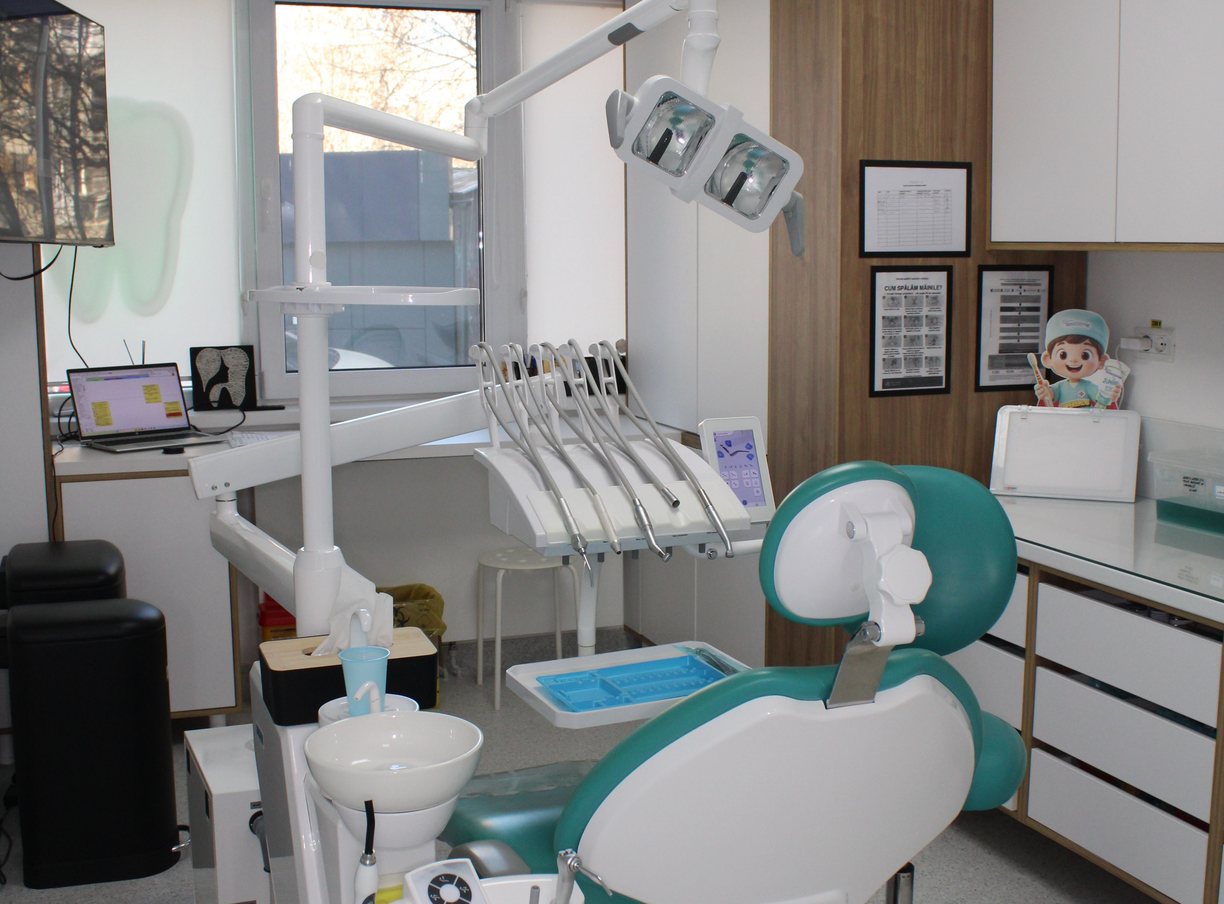
Endodontics is a discipline of details: success depends on the training of the doctor, the equipment used and the rigor of the protocol. A root canal done right the first time saves years of complications, retreatments and additional costs. At Dental Science, all three elements come together in an approach that puts saving the natural tooth first.
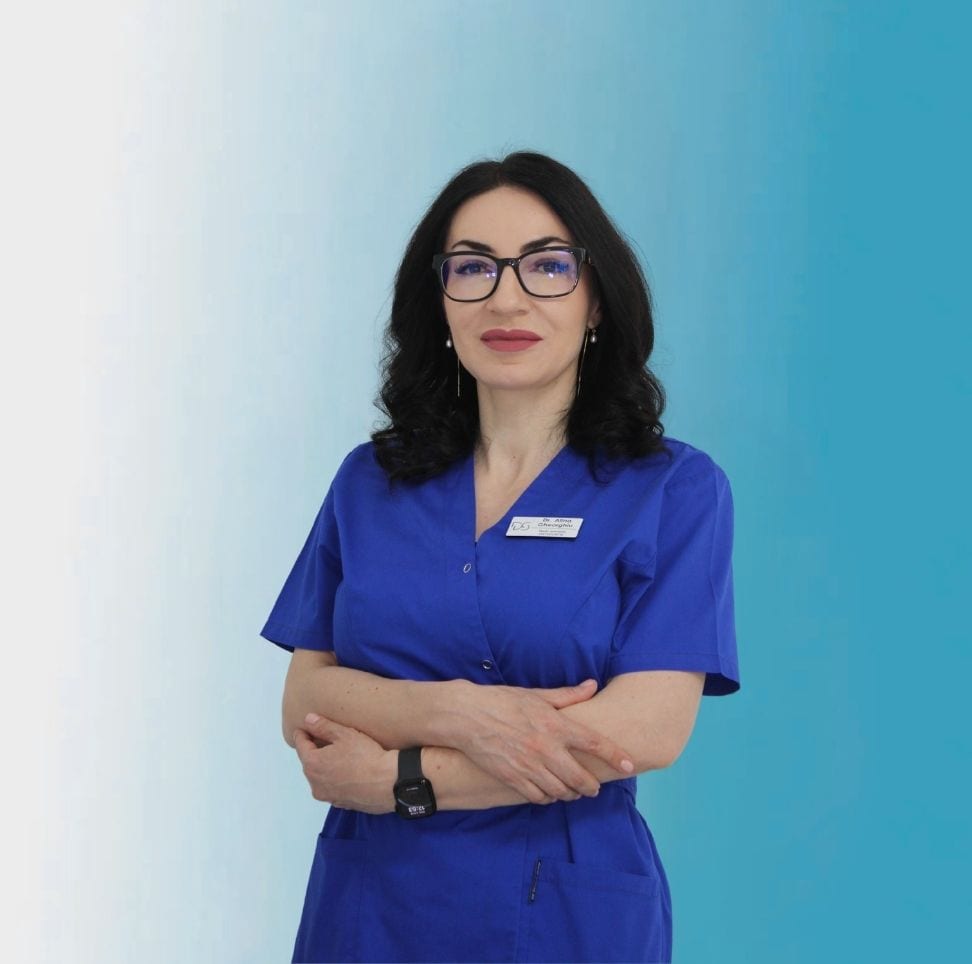
Dr. Maria Ionilă is an Endodontics Specialist, a graduate of the Carol Davila University of Medicine and Pharmacy in Bucharest, with a residency in endodontics completed at the Titu Maiorescu University. It is associate professor at the department of endodontics of the same university, which means that it, in turn, prepares future endodontists. His continuing education includes courses with reference names in world endodontics such as Dr. Arnaldo Castellucci and Dr. Antonis Chaniotis, and participation in Endodontic Master Series and EndoResto Summit. Its specialization is exclusive: endodontic treatments and retreatments under the microscope.
We work with the Zumax microscope, which provides magnification and direct illumination of the operative field, and with endomotor VDW GOLD, which instruments channels with electronically controlled parameters. We don't just talk about technology, we use it in every treatment. This combination of dedicated specialist and top equipment makes the difference in complex cases, where other doctors directly recommend extraction.
Our approach is interdisciplinary: after the completion of the root canal treatment, the restoration of the tooth, either filling or crown, is carried out in the same clinic in sector 6. And if the tooth can no longer be saved, we openly discuss replacement options, from dental implant on deck, with the same multidisciplinary team.
We are located on Bd. Iuliu Maniu 74-76, in the Lujer area, sector 6, Bucharest, easily accessible by metro or public transport. We offer transparent prices, and each patient receives one detailed estimate before starting treatment, with all stages and costs clearly explained.
services
“Excellent dental experience! The team is super attentive and the treatment was painless.”


“Excellent dental experience! The team is super attentive and the treatment was painless.”
Don't put off taking care of your smile. Schedule today and discover modern treatments, planned together with you, for a new, natural and lasting result.